
The invisible architecture of daily life
A place is experienced as a sequence of ordinary moments: arriving home, crossing a shaded path, meeting a neighbour, finding a quiet corner or watching a child move safely through shared space. These moments rarely dominate a sales brochure, yet they determine whether a development feels humane.
Design for movement, not just for plots
Road widths and plot efficiencies are necessary calculations, but they are not a complete design philosophy. Consider walking distances, heat, natural shade, sightlines, accessibility, drainage and how private space transitions into shared space. The quality of the journey between buildings can matter as much as the buildings themselves.
The restraint to leave something untouched
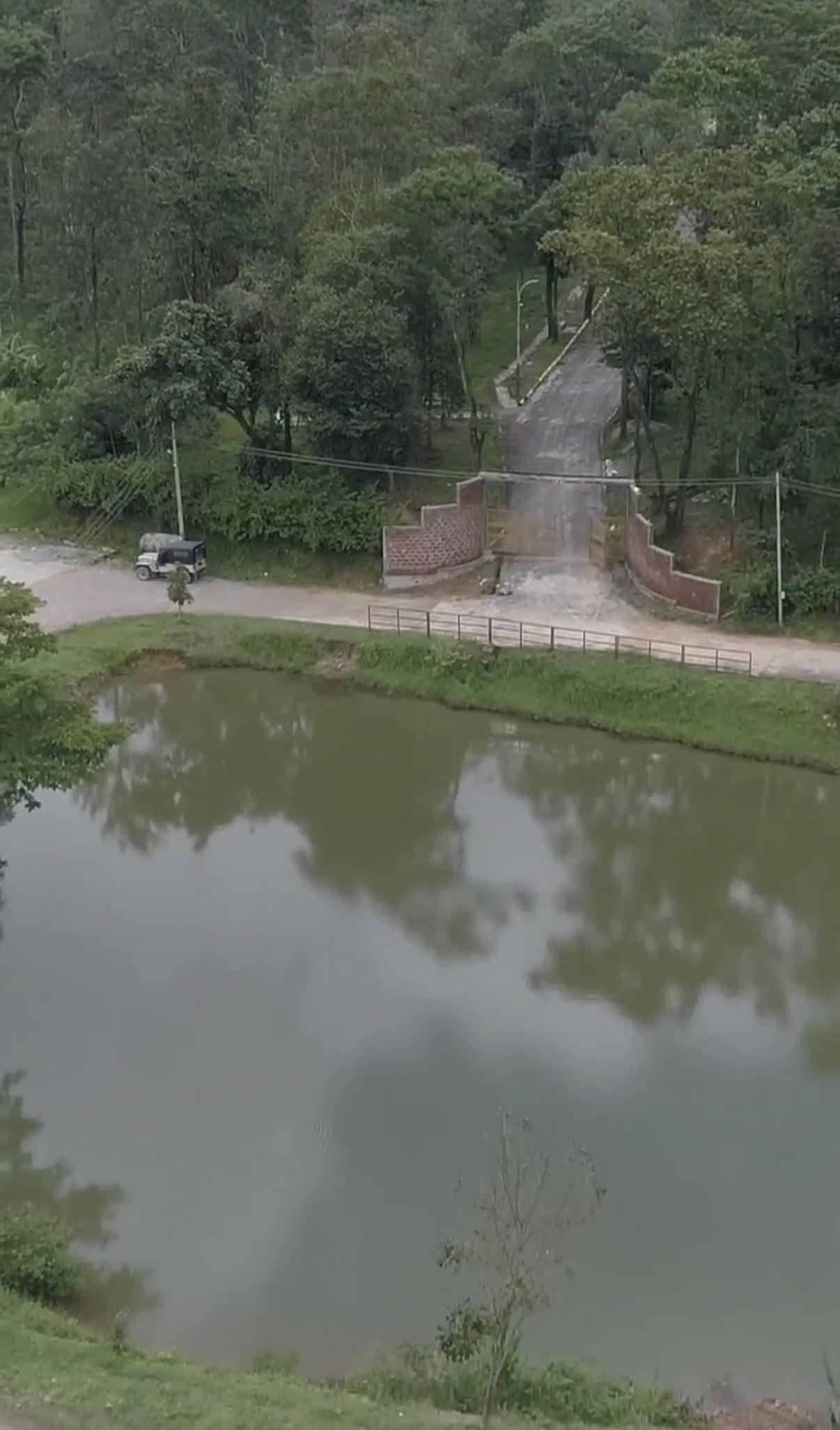
Especially in landscape-rich places, good design may begin with a decision not to clear, flatten or formalise everything. Mature trees, existing contours and natural water movement can become organising elements of a plan. Preserving them is not always simple; it requires careful surveys, engineering and ongoing stewardship. But the resulting character cannot be manufactured overnight.
A good place makes room for different lives
Some residents seek interaction; others need privacy. Some move quickly; others need time and accessible routes. Good planning offers choice without making one lifestyle the default. The goal is not to choreograph community but to make connection possible while respecting independence.
The measure of thoughtful design is not only what people notice. It is also what quietly makes their lives easier.Explore more perspectives ↗